Karma Llamagram
See what we've been up to lately over on the 'gram!








Articles
Here you will find all sorts of lovely words and pictures. Some written by us here at Karma Llama, and others we highly recommend reading. Dive in!
The 'C Bomb'!







Ah, Christmas. That time of year when the world explodes in a confetti shower of tinsel, Mariah Carey, and questionable knitwear. For some, it’s the highlight of the calendar. For others, it’s more like a glittery grenade that detonates stress, awkwardness, and the urge to hibernate until spring.
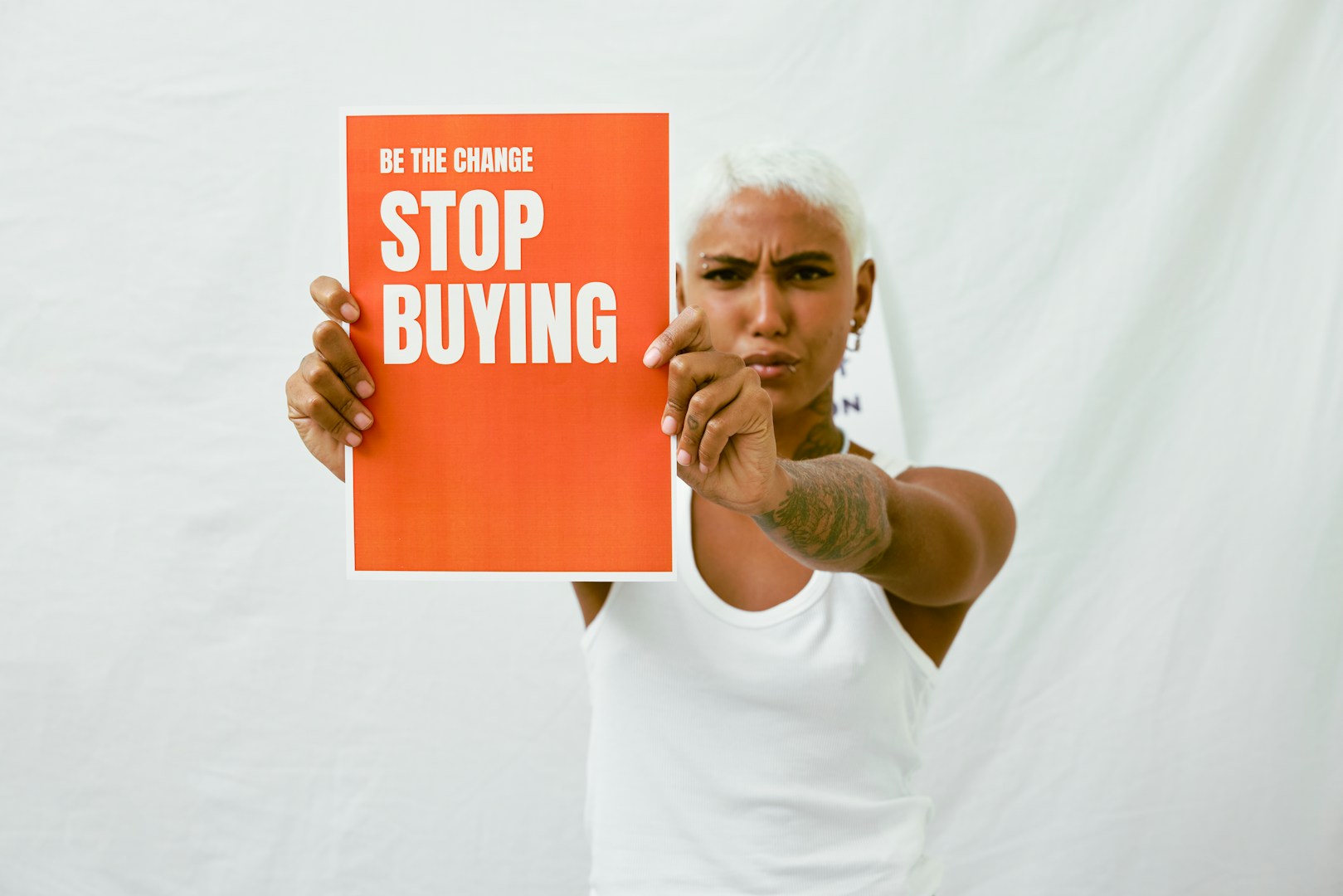
Let’s get one thing straight: you do not need to buy your way into happiness, shrink yourself for the office party, or keep up with the Joneses (or the Kardashians, or whoever’s trending – I don’t know, my twenties are very far behind me!). The adverts may insist you need a new look, a new gadget, or a new personality for the New Year, but here’s the truth: you’re enough just as you are. No purchase required.
If your idea of festive fun is a nap in your oldest pyjamas (yes please), you’re winning. If you’re not feeling the “New Year, New You” hype, congratulations—you’ve dodged a marketing campaign bullet.
My Mantra this coming January will be “New Year, Old Me”. Because contrary to the what the billion dollar ‘beauty industry’ may want me to believe, I am quite happy in my own skin – wrinkles, grey hairs, and Mum tum – thank you very much.
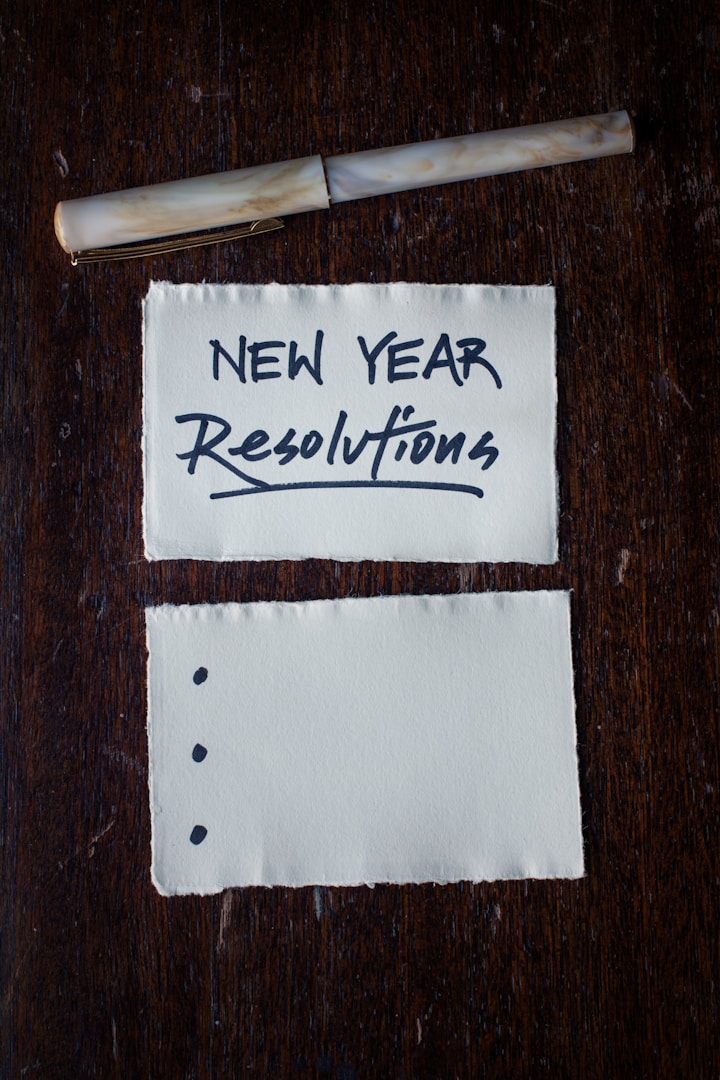
Resolutions are optional, and so is pretending to love Aunty Emily’s sprouts (although I actually do like sprouts and Aunty Emily xx).
The Holiday Blues: It’s Not Just You
However, for some of us, while the world is busy decking the halls, many people feel more… “meh”, or even ‘AAAaaaaagh’ than “ho ho ho.” The cold weather creeps in, the days get shorter, and suddenly, your motivation is hiding under a blanket with the last Quality Street.
On the face of it you’re donning your Christmas Cheer – ish, but underneath the comical Boomer ‘Bahhumbug-ery’, the smiling sandwich gen X-er’s, the Millennial façade, and even the idealised online persona of the Gen Z’s, we are all feeling the pressure. Not just the usual list of gifts, food, wrapping, travel, and the endless list of festive activities. It’s life….’normal’ everyday life with ALL of this thrown on top!
If you’re Lucky… oh and don’t forget to feel grateful if you’re lucky!
For others the seemingly never-ending repetition of ‘what are you doing for Christmas?’, ‘are you going anywhere for the holidays?’, ‘have you done all your shopping yet?’, and cheery exaggerated replies covering up the assumption that you have a happy/large/loving family to spend the time with. When the reality is many of us do not.
Now before we descend into the darkness of the bottom of Santas sack (pun very much intended), let me offer some hints, tips, guidance and strategies that can help, whatever your situation.
First of all, if you’re struggling, know that you’re not alone. It’s okay to feel flat, frazzled, or just plain fed up. The festive season can be tough, and you don’t have to sparkle just because the office is covered in glitter.
Supporting Yourself (and Others) When Christmas Isn’t Merry
- Set Boundaries: You don’t have to attend every party, swap every Secret Santa, or wear antlers to the Monday meeting. Protect your time and energy.
- Practice ‘I am really looking forward to some quiet cosy time solo’. ‘We are prioritising spending quality time together this year’. ‘I’m not one for crowds or hustle ‘n’ bustle, but I love seeing all the lights on fresh wintery walks’.
It might feel a little silly, but finding the things you do enjoy about this time of year and communicating that in a positive reply will give you a little lift and dampen the feeling that other merry souls might somehow feel sorry or sad for you. Lets make this even easier…
‘I am really looking forward to…………………………………….
with……………………………………………………
(myself/my cats/my favourite Aunt/the outdoors/my slippers and dressing gown), how about you?
- Check In: Notice how you’re feeling. Notice where you’re feeling! Allow yourself some enjoyment by doing an indulgent activity in a mindful way. Something simple like running a hot bath, adding some of your favourite salts. Watching the water run and the steam rise, slowly breathing in the smell and warmth. Slipping your toe into the heat, followed by your foot, noticing the sensation gradually moving up your skin until you’re immersed in a cocoon of bubbles. Feeling the warmth of your exhale on your top lip as you sink into the sound of the tiny pops all around you. Too often we fly through our day on autopilot, rushing from one thing to the next.
- Check On: There are so many agencies to reach out to, even over the holidays. We have listed some at the end of this Blog post. If you do have a friend, who you know finds this time of year triggering, check in. Ask them how you can help (don’t drag them out to something that you know would ‘cheer you up’). Everyone copes in different ways – if theirs is to hibernate then maybe some thoughtful slipper socks or a new mug will let them know you understand and are thinking of them. Drop them a message to go for a walk or a coffee the next day and don’t take it personally if they cancel. It’s not their job to be cheery for you, it’s your job to simply be there for them.
- There’s no right or wrong – but there are some definite no-no’s: Love the festivities? Go wild. Party until you drop! But with more and more work gatherings opting for a non-alcoholic event it’s ok to decline if Paddle just isn’t your thing! It’s also ok to opt out if Nik from marketing is not your vibe. Protect your energy, pause before you respond to an invitation and remember ‘No’ (thank you) is a complete sentence. If you’re someone who would find that difficult then ‘I have so many festive activities I’m keeping some dates back to rest and recoup’ works a treat.
I also give my full permission for you to say ‘I’ve arranged to see Ange on that date for a much needed catch up’ – call me, I’ll back you up! Like wise if you prefer a quiet night in? That’s fine too. There’s no right way to do Christmas.
Above all practice self-compassion: Be as kind to yourself as you would to a friend. If you’re not feeling festive, that’s okay.
The Real Gift: Being Yourself
So, as the festive C Bomb ticks away, remember: you don’t need to change, buy, or sparkle to be worthy. You’re enough, just as you are. Whether you’re counting down to Christmas, Hanukkah, Kwanzaa, Yule, or simply the end of January, give yourself the gift of compassion.
And if all else fails, remember—there’s always next year’s mince pies.
Some other sidenote information and facts…
Consumerism: The Glittery Elephant in the Room
Let’s talk numbers. The average UK household spends about £719 extra at Christmas, with total festive sales forecast to hit £88 billion —more than any other country in Europe.
Toy Donations: Spread Joy, Not Clutter
If your cupboards are bursting with toys that haven’t seen daylight since last Christmas, why not donate them? Here are some UK charities that accept toy donations before or after the holidays:
- Oxfam: Drop toys at your local shop or post them for free. They accept most toys, except broken or incomplete ones. Donate to Oxfam [oxfam.org.uk]
- The Salvation Army: Their Christmas Present Appeal collects new, unwrapped toys for children in need. Find your local centre here. [salvationarmy.org.uk]
- Barnardo’s: Supports vulnerable children and accepts toy donations at their shops.
- Toy Bank Donations: Find your nearest toy collection bank here. [toys4life.co.uk]
- Children’s Hospitals: Many welcome donations (check their guidelines first)
The Festive Season Isn’t One-Size-Fits-All
Here’s a plot twist: not everyone celebrates Christmas, and not everyone wants to. The UK is a glorious patchwork of cultures and faiths, each with their own winter traditions—or none at all.
- Christianity: Christmas is a big deal, but traditions vary.
- Judaism: Hanukkah brings light and latkes.
- Islam: December is just another month, though some join in secular fun.
- Hinduism, Sikhism, Jainism: Diwali and Pancha Ganapati light up the autumn and winter.
- Buddhism: Bodhi Day marks enlightenment.
- African Diaspora: Kwanzaa celebrates heritage.
- Pagans and Wiccans: Yule welcomes the solstice.
- Secular/Non-religious: Some celebrate, some don’t, and some just love a good roast potato.
Need support?
- Samaritans: Open 24/7, providing emotional support to anyone in crisis. Call 116 123.
- Mind: Offers a helpline on 0300 123 3393, open Monday to Friday, with Christmas opening hours available on their helpline page.
- Age UK: Provides support for older people, open 8 am to 7 pm on Christmas Day. Call 0800 678 1602.
- NHS Mental Health Crisis Helpline: Open 24/7 on Christmas Day. Call 111
- Beat's Eating Disorder Helpline: Open from 4 pm to 8 pm on Christmas Day. Call 0808 801 0677 (England) or 0808 801 0433 (Wales).
Stay well, stay you, and may your festive season be as stress-free (and as llama-friendly) as possible!
From Combat Boots to Bare Feet: A Personal Journey
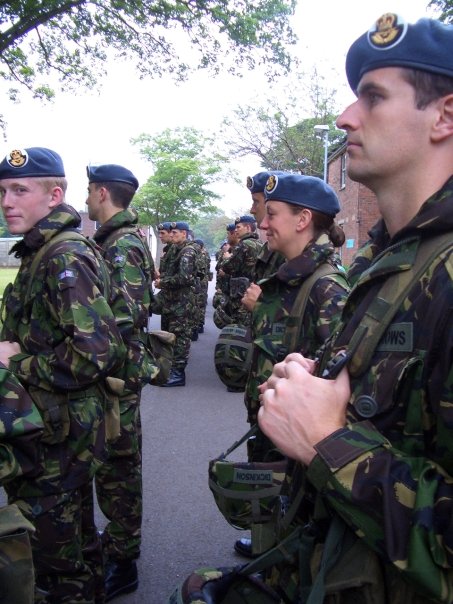
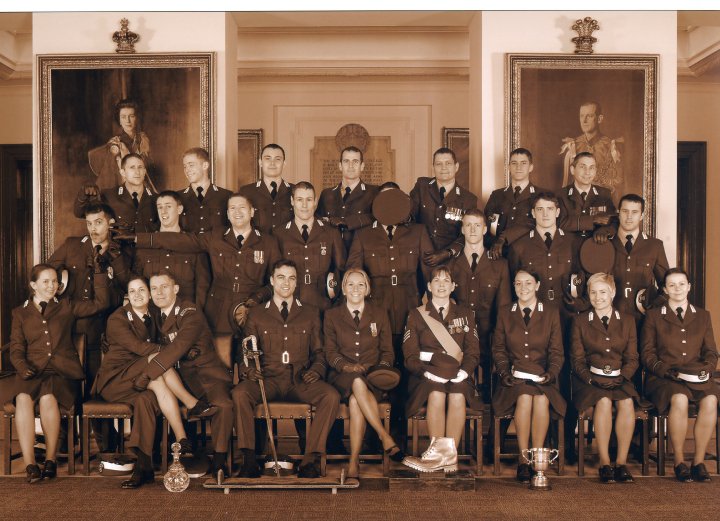






For years, my life was governed by precision, discipline, and mission-first mentality. The military taught me how to lead, endure, and perform under pressure. I learned to compartmentalise emotions, push through pain, and prioritise external objectives over internal reflection. It was a life of structure, service, and strength—but also one of speed, suppression, and survival.
But beneath the uniform, I carried something deeper: Childhood trauma. Anxiety. A persistent lack of confidence.
I became skilled at hiding it—behind achievements, behind duty, behind a mask of capability. But the inner unrest never truly left.
The one who changed it all & A Glamorous Detour
Having a baby transformed my entire worldview in ways I hadn’t fully anticipated. The arrival of my child brought a profound new dimension of love, responsibility, and priorities that reshaped how I saw myself and my future. Suddenly, the demands and uncertainties of military life felt like they carried stakes far beyond my own career—they touched the heart of my family’s well-being.
This deep shift made it clear that I needed to step away from the military before circumstances forced an unbearable separation between me and my son. Leaving was not just about my own path; it was about ensuring that I would be present, steadfast, and fully available to nurture, protect, and witness his growth.
After leaving, I spent three years working part time for one of the UK’s top wedding planners. It was dazzling, high-pressure, and creatively fulfilling. I learned to manage chaos with grace, curate beauty under stress, and deliver perfection with a smile. But even in the elegance of luxury events, I felt a quiet ache—a longing to slow down, to breathe, to listen. Seeing the world through the eyes of a child had shifted my perspective and priorities.
Yoga: The Practice That Waited for Me
I’d tried yoga a couple of times before—usually in a military gym, squeezed between HIIT workouts and functional training. It didn’t have the same charm. I was also running, playing hockey, and constantly chasing the next goal. Always go-go-go. Never pausing long enough to truly reflect.
As a millennial, I was conditioned to “have it all.” To strive harder. To be better. To do more. Because deep down, I felt I was never quite enough.
Yoga didn’t just stretch my body—it stretched my beliefs. It asked me to feel. To soften. To stop performing and start listening.
For someone used to pushing through, this was radical. I wasn’t used to asking myself how I felt. I wasn’t used to trusting my intuition. But breath by breath, pose by pose, I began to hear a voice I’d long ignored: my own.
Yoga became the space where I could meet myself—not the officer, not the planner, not the perfectionist—but the woman underneath it all. The one who had survived. The one who was healing. The one who was ready to lead from a different kind of strength.
Rewriting the Mission
As I transitioned into teaching yoga, I realised I wasn’t abandoning my past—I was integrating it. The discipline, the leadership, the resilience—they’re still with me. But now, they’re tempered by compassion, curiosity, and connection.
My mission has changed. It’s no longer about external achievement. It’s about internal alignment. I don’t bark orders—I hold space. I don’t push—I guide. I don’t armour up—I open.
From Warrior to Witness
Yoga has shown me that true strength lies not in domination, but in discernment. Not in control, but in consciousness and connection. I’ve moved from being a warrior of the world to a witness of the self.
And in that shift, I’ve found peace—not because life is easy, but because I’ve learned to meet it with grace.
I feel like I’ve come full circle—back to my creativity, back to my truth, back to the woman I was always meant to be.
Working and Leading Across Generations









From Friction to Flow: Cultivating Connection in Multigenerational Teams
In today’s workplace, we’re no longer just managing tasks—we’re navigating timelines, temperaments, and generational truths.
Baby Boomers, Gen X, Millennials, and Gen Z now share the same meeting rooms, Slack channels, and leadership pipelines. Each brings a distinct rhythm: legacy, pragmatism, purpose, and innovation. But with that richness comes tension—misaligned expectations, clashing communication styles, and unspoken frustrations.
What the Data Reveals
- 39% of UK employers report generational miscommunication
- 61% of senior leaders see cultural clashes around work-life balance
- 58% of employees experience age-related conflict
- Four generations now co-create the workplace—offering tension, yes, but also profound opportunity
To lead here is to listen deeply. To work effectively here is to honour difference. And to thrive here is to integrate emotional intelligence, strategic clarity, and a commitment to growth—both personal and collective.
Each generation carries a distinct energetic signature that shapes how they communicate, what drives them, and what tends to frustrate them.
Baby Boomers (born 1946–1964) typically prefer formal, face-to-face interactions or phone calls. They’re motivated by loyalty, recognition, and job security, but often feel undervalued and resistant to rapid change.
Gen X (1965–1980) leans toward direct, pragmatic communication—usually via email—and values autonomy, efficiency, and balance. Their frustrations often stem from micromanagement, bureaucracy, and inflexible systems.
Millennials (1981–1996) favour collaborative, digital-first exchanges like chat or messaging platforms. They’re driven by purpose, feedback, and growth opportunities, yet can feel stifled by outdated technology, rigid hierarchies, and a lack of transparency.
Gen Z (1997–2012), the most digitally native cohort, thrives on visual, fast-paced communication through social media. They’re inspired by innovation, inclusivity, and mental wellbeing, but are easily discouraged by poor digital etiquette, slow feedback loops, and inauthentic leadership.
Understanding these generational energetics allows us to lead, coach, and collaborate with greater empathy and precision.
Ok so we’ve identified some of the potential issues – but what can we ACTUALLY do about it?
Communication That Lands Across Generations
Adapt with Intention, Communication is energetic.
Boomers may value a phone call; Gen Z might prefer a meme-laced voice note. Tune in, then tailor.
Be Explicit, Not Assumptive.
Feedback, deadlines, and deliverables mean different things to different generations. Clarity is kindness.
Honour Wisdom & Welcome Disruption.
Boomers and Gen X hold institutional memory. Millennials and Gen Z bring fresh eyes and tech fluency. We need both.
Mentor in Both Directions.
Pair seasoned professionals with emerging talent. Reverse mentoring isn’t just trendy—it’s transformative.
Create Psychological Safety.
Inclusion isn’t a checkbox—it’s a practice. Make space for every voice, especially those that feel unseen.
Personal Reflection: Leading Across Generations in Uniform
As a young female Officer in the military, I led teams where age, gender, and tradition collided. Many of my subordinates were older men with decades of service—brilliant, capable, and deeply rooted in legacy. But the culture was hierarchical, resistant to change, and often blind to the nuance of feminine leadership. Of course they were, females are still a minority 8 to 1!
I learned quickly: respect isn’t commanded—it’s cultivated. Through clarity, consistency, and courage, I earned trust. And through frameworks like MBTI, SDI, and NLP, I decoded resistance, tailored feedback, and coached with precision.
Leadership, for me, became less about control and more about connection. Coaching wasn’t soft—it was strategic. It was about creating space for growth across generational and gender lines, even in environments that felt rigid. Don’t get me wrong, I often had to coach myself, seek advice from my peers and (in the words of the military) strap on my big girl pants!
But that experience shaped my philosophy: bridging generational gaps isn’t a trend—it’s a necessity. And when done with empathy and resolve, it turns teams into resilient, adaptive ecosystems.
Closing Thought
Multigenerational leadership is not about smoothing edges—it’s about weaving threads. When we honour the rhythm of each generation, we build workplaces that are not just productive—but profoundly human.
Let’s lead with clarity. Let’s coach with compassion. Let’s build cultures where every generation belongs.
For more practical solutions and action plans, specific to your team, get in touch!
References
- HR Magazine – Multigenerational workforce suffers from collaboration difficulties
- MATSH – Statistics on Intergenerational Communication
- Lancaster University Work Foundation – Multigenerational Workforce Research

The Being Well Blog
Written by the incredibly witty AimieJo Shutt
With topics like; 'Fake it', 'Meditate to Medicate, and 'The Glamour of the Glimmer', this Blog is one of our fav's!
It feels like your best, most fun friend, delivering knowledge bombs of insightful, well educated, success filled wisdom.
Why I love to Chant!


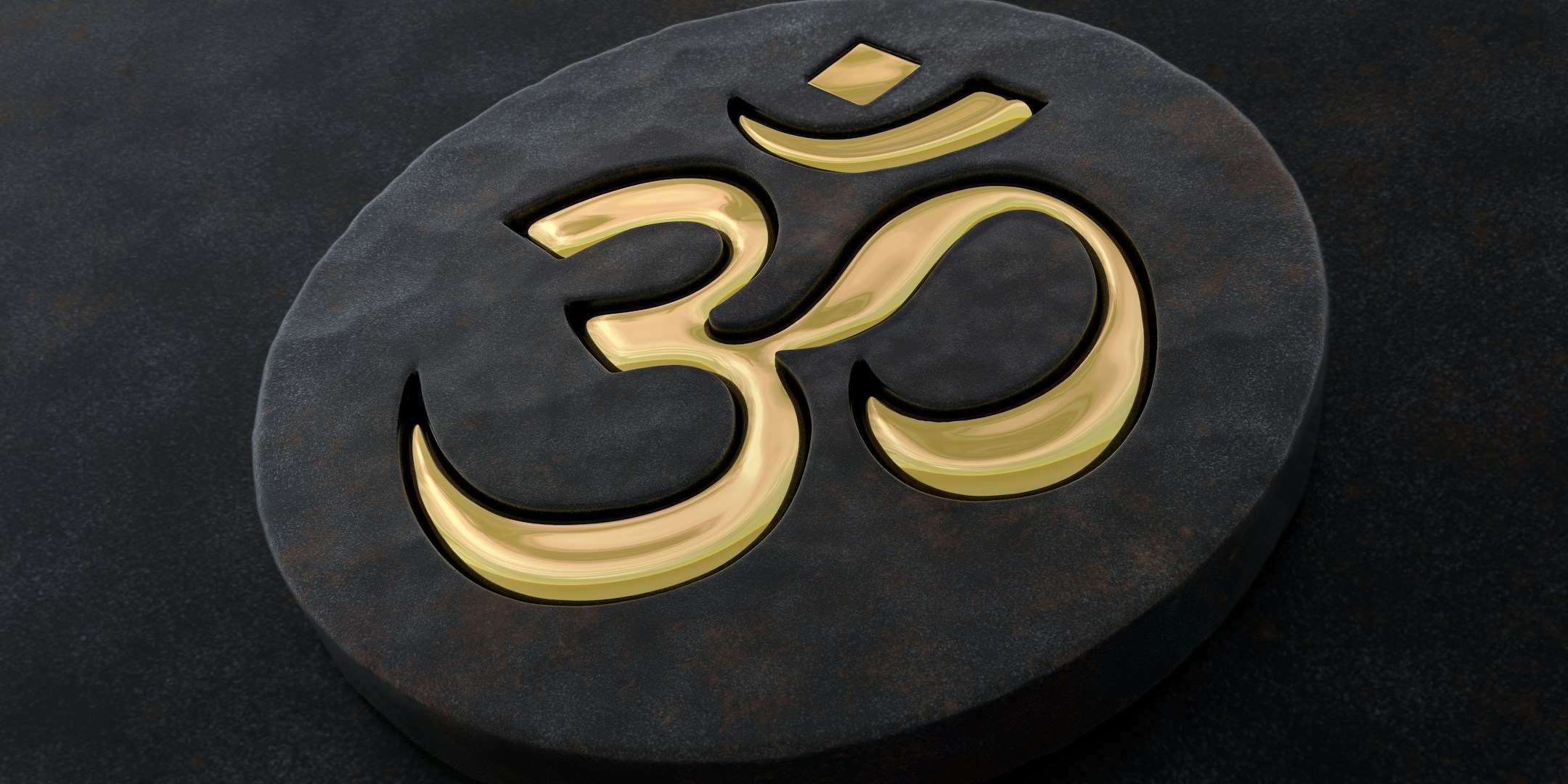

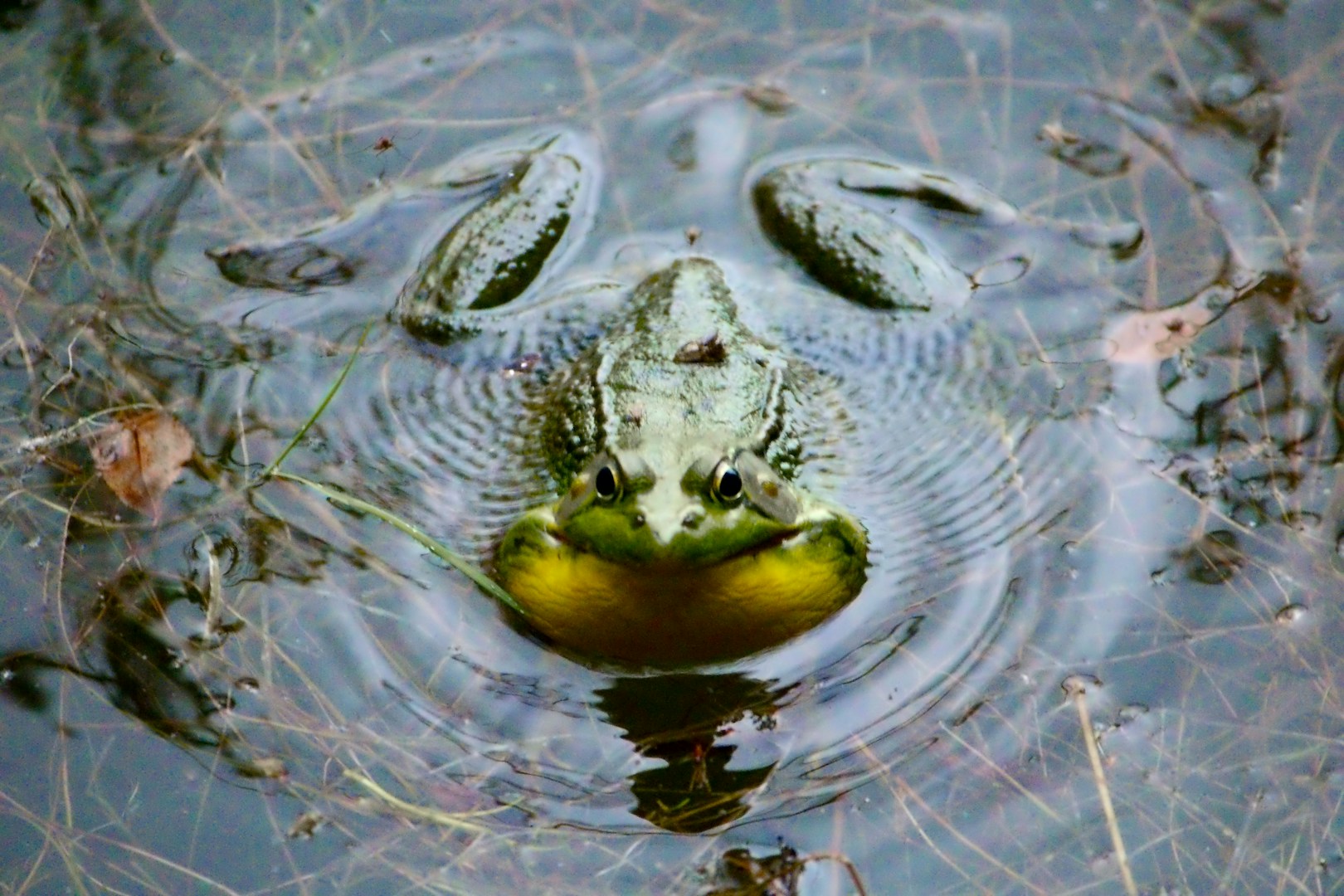

Chanting isn’t just for monks in mountaintop monasteries. It’s for anyone with a voice and a breath—which means it’s for all of us. What began as a curiosity in my music studies at Leeds Conservatoire has become a deeply rooted wellness ritual, both personally and professionally. Whether I’m sitting in stillness chanting alone or with a room full of students, chanting never fails to ground, soothe, and transform me.
So what exactly is chanting and why should you give it a go?
The Science and Spirit of Sound
What I love most about chanting is that it lives at the intersection of ancient wisdom and modern science. It’s not just spiritual fluff—chanting has measurable effects on the brain and body.
Mental & Emotional Benefits
The rhythmic repetition of sound reduces stress, calms the nervous system, and helps clear the mind. There’s something incredibly therapeutic about repeating a mantra—like gently pressing the reset button on your thoughts. It’s helped me through some tough moments, I also find it helps sooth my anxiety and overwhelm.
Physical Health Perks
When you chant, you breathe more deeply and slowly, which boosts lung capacity and stimulates the vagus nerve—part of the parasympathetic nervous system. This brings on a “rest and digest” state, counteracting the stress response. Some studies even suggest that chanting can support immune function. It’s like a sonic tonic for your body.
Spiritual & Social Connection
Chanting deepens mindfulness and anchors me in the present moment. It also connects me to something greater than myself—whether that’s the energy of a group, a spiritual tradition, or simply the power of intention carried through sound. There’s a special kind of magic that happens when many voices unite in one vibration. It’s community. It’s healing. It’s pure resonance.
My First Encounter with Chant-Inspired Music
While studying for my degree in music, I discovered The Lamb by John Tavener—a modern choral work set to William Blake’s poem, by the same title. Though not chant in the traditional sense, it felt deep, emotional and earthy. The piece’s a cappella ,bare all texture, and spiritual simplicity struck a chord in me, right down in my gut, like my whole rib cage was vibrating. Tavener’s use of mirrored harmony creating discord followed by resolution and meditative pacing is reminiscent of mantras. The repetition becoming a kind of sacred architecture within the sound.
Listening to The Lamb was the first time I felt chant without even chanting. It invited stillness. It whispered reverence. It made me want to explore the power of voice and vibration more intentionally.
How to Start Your Own Chanting Practice
You don’t need to be religious—or even musical—to chant. You just need breath, voice, and a willingness to be present. Here’s how I recommend getting started:
1. Choose a Simple Mantra
Start with one that feels easy and meaningful:
• Om: The universal vibration—calming and centering.
• So Hum: “I am that”—helps link breath and mind.
• Om Shanti Shanti Shanti: A mantra for peace on all levels.
2. Set the Scene
Find a quiet space, sit comfortably, and maybe light a candle or incense. The more at ease you feel, the deeper you’ll go.
3. Use Your Breath
Inhale deeply into your belly, using your diaphragm to slowly release the sound. Let the sound ride your exhale. This slows the breath, calms the mind, and strengthens your connection to the vibration.
4. Repeat with Rhythm
Start with 5–10 minutes. You can use a mala (beaded necklace) to count repetitions or just follow your intuition. Whether you chant aloud, whisper, or do it silently—each method has its own beautiful effect.
5. Go to a yoga class that includes chanting.
I guarantee you won’t feel as silly if the whole room is belting out together and your teacher is leading the way. You don’t even need to make a sound if you don’t want to – and there’s always the lovely yoga that follows. Inner Lifetime is a fabulous studio that wonderfully incorporates all aspects of yoga, not just the ‘western workout’ (grumpy face).
6. Be Consistent, Not Perfect
It’s not about perfect pitch or pronunciation—it’s about intention. Even a few minutes a day can shift your mood, energy, and awareness.
A Global Tradition
Chanting is a thread that weaves through nearly every culture on earth:
• Gregorian Chant in medieval Europe
• Vedic Mantras from ancient India
• Tibetan Buddhist Chanting like Om Mani Padme Hum
• Shomyo from Japan’s temples
• Native American ceremonial chants
• Qur’anic Recitation (Tajweed)
• Jewish Cantillation of sacred texts
• African tribal chants with hypnotic rhythms and communal power
Even modern forms like Kirtan, chant-poetry, or ambient mantra music invite us into this long lineage of sound and stillness.
A Personal Note
When I chant ‘Om’—whether alone or in a circle—I often see colours behind my closed eyes. It began as a soft green and over time has become a warm, radiant orange-red. The vibrations travel through me, calming my nervous system and filling me with peace. Chanting in a large group is an experience almost beyond words—it’s a shared heartbeat, a collective exhale, a kind of sonic alchemy. You just know and feel when that vibration hits right, it’s like a form of ecstasy.
So why do I love to chant? Because it heals. It connects. It clears space for joy, clarity, and compassion to bloom. And every time I return to it, I’m reminded: the most powerful instrument I have is my own voice.
Here comes the sun!
Well well well hello there!
My first Blog post, very exciting!
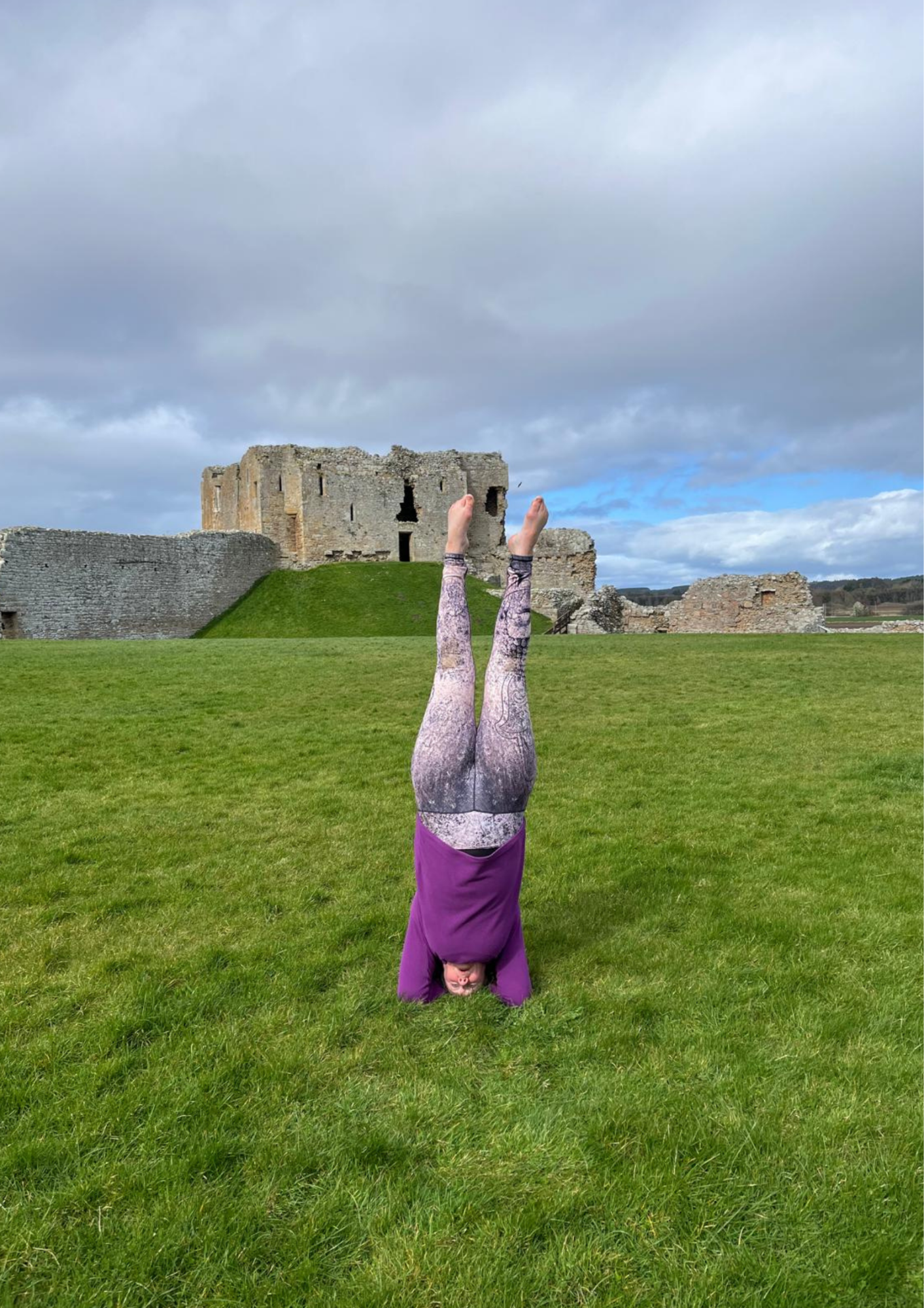
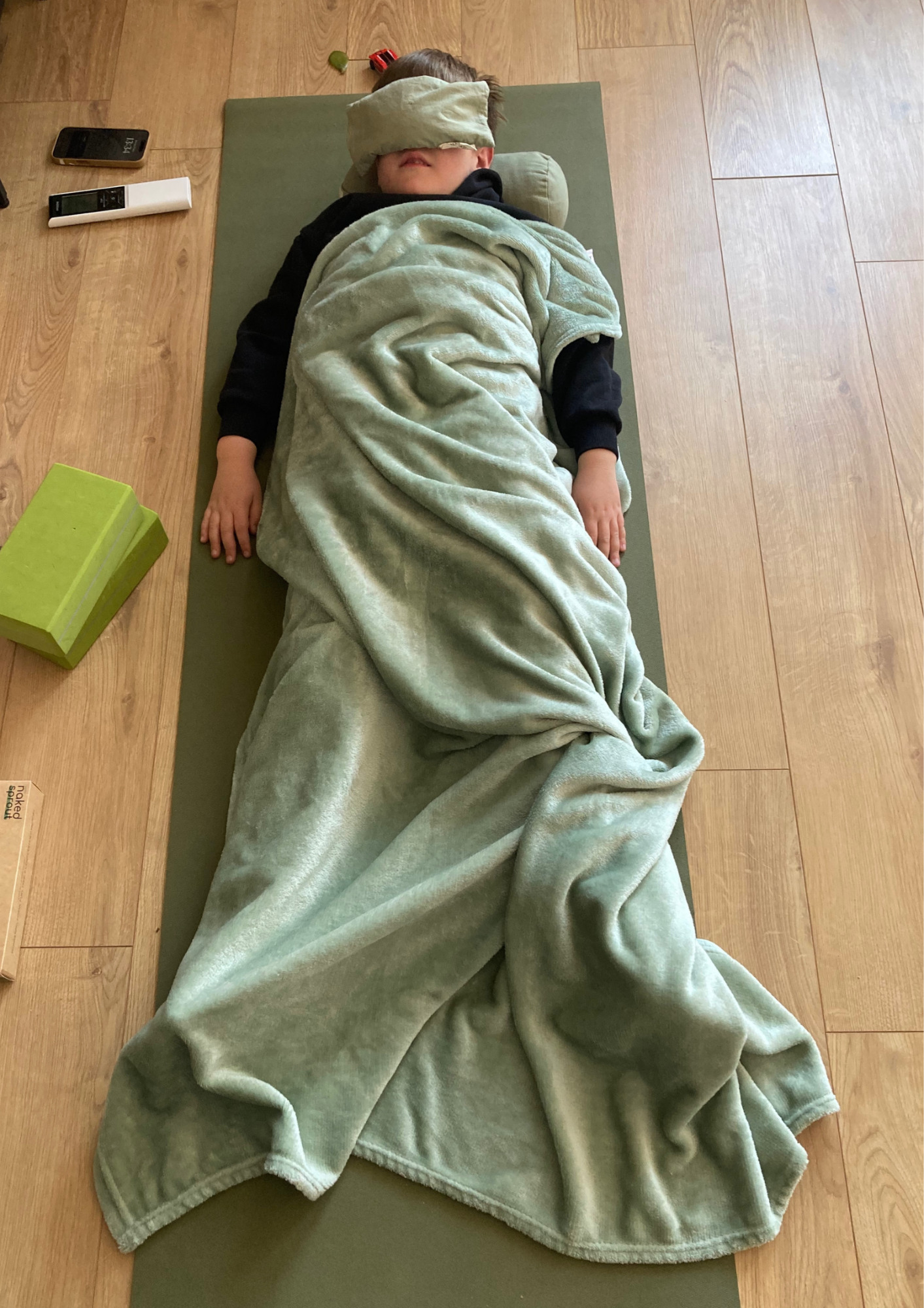
Just a quick hello from me really and some images of a few of the things I have been up to recently! Mostly outside with my 5 year old, when I'm not teaching, delivering sessions, studying, or on my laptop!
I am currently writing my first proper blog post 'Why I love to Chant!', so watch this space for the first proper instalment!