
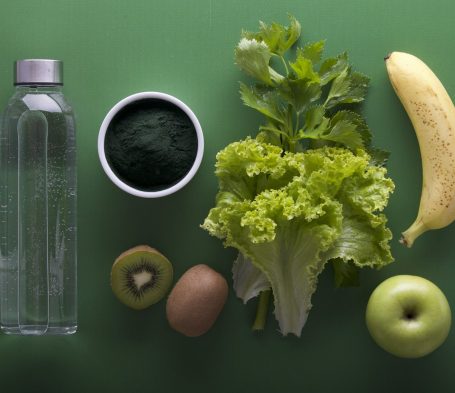
What is Wellness?
What is Well-being? What is everyone going on about...specifically?
Wellness is an active and holistic pursuit of activities, choices, and lifestyles that lead to a state of complete physical, mental, and social well-being, and not merely the absence of disease. It's a continuous, self-directed, and evolving process that aims to achieve one's full potential.
Key aspects of wellness include:
- Holistic Approach: Wellness recognises that all aspects of a person's life—physical, mental, emotional, social, intellectual, spiritual, occupational, environmental, and financial—are interconnected and influence overall health.
- Active Pursuit: It emphasises taking intentional steps and making conscious choices to improve well-being, rather than simply waiting for good health to happen (because it won't!).
- Multiple Dimensions: While physical health (nutrition, exercise, sleep) is a core component, wellness extends to:
- Emotional Wellness: Understanding, managing, and expressing feelings, and coping with life's stresses.
- Intellectual Wellness: Engaging in continuous learning, critical thinking, creativity, and mental stimulation.
- Social Wellness: Building and nurturing meaningful relationships and fostering healthy communication (because punching people in the face is frowned upon).
- Spiritual Wellness: Finding meaning and purpose in life, aligning with personal values and beliefs.
- Occupational Wellness: Finding satisfaction and purpose in one's work or chosen activities.
- Environmental Wellness: Creating physical and emotional safety in surroundings and respecting the natural environment.
- Financial Wellness: Managing finances effectively to reduce stress and support overall well-being.
- Individual & Dynamic: Wellness is self-defined and can change over time based on life experiences and culture. It's about striving for optimal functioning even when facing challenges. How full are each of your 'cups' at the minute?
Prioritising wellness is crucial because it can:
- Add years to life and improve longevity.
- Enhance quality of life and boost resilience to stress.
- Improve mental clarity, mood, and productivity.
- Reduce the risk of illness and improve recovery. Ever wondered where the word disease comes from? Dis - Ease? read that again!
- Lead to deeper self-understanding and better relationships. Hooray!
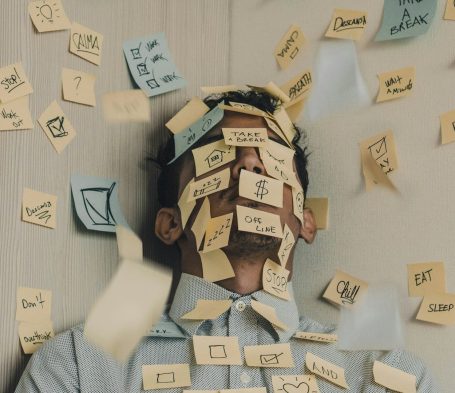
How can I feel less stressed?
A question we have all asked ourselves at one time or another. But what's the answer?
To feel less stressed, focus on both immediate relief and long-term habits.
Quick Stress Reducers:
- Deep Breathing: Slow, deep breaths can quickly calm your nervous system. Try inhaling for 4, holding for 4, and exhaling for 4, holding for 4 - and repeat. Box breathing is pure magic! Place one hand on your belly and one on your chest, and focus on the rise and fall of your body. When we feel like we 'can't breath' it's often because we're NOT EXHALING, rather than inhaling. Long relaxed exhales are key (through the nose if possible).
- Mindfulness/Meditation: Focus on the present moment, even for a few minutes. Apps can guide you or close your eyes and listen for the furthest sound you can hear, then the next closest and so on. Or light a candle and just gaze at it's flame. Meditation increases the brains GABA (see our page 'Wellness at work for more explanation), and the more you do it, the more it produces, the easier it gets.
- Move Your Body: A quick walk, stretching, or light exercise releases endorphins and shifts your focus.
- Connect with Others: Talk to a trusted friend or family member to share your feelings and gain perspective. (you know the one, the friend you don't want to talk to because you know you'll get the honest truth, and underneath that might not be what you want to hear - but it's what you need to hear).
- Take a Break: Step away from the source of stress, even for a few minutes, to clear your head.
- Engage Your Senses: Listen to calming music, try aromatherapy, or give yourself a foot massage.
- OR ALL of the above!
Long-Term Stress Management:
- Regular Exercise: Consistent physical activity significantly reduces stress and improves mood.
- Prioritise Sleep: Aim for 7-9 hours of quality sleep each night by maintaining a consistent sleep schedule and a relaxing bedtime routine.
- Healthy Diet: Eat balanced meals with protein, fruits, vegetables, and whole grains, and limit excessive caffeine and sugar, which can worsen anxiety (oh and alcohol).
- Time Management: Prioritise tasks, break down large projects, and learn to say "no" to avoid overcommitment. Better yet, get booked onto one of our programmes and we'll teach you how to say no!
- Self-Care & Hobbies: Make time for activities you enjoy, whether it's reading, gardening, or a creative pursuit.
- Challenge Negative Thoughts: Recognise and reframe unhelpful thought patterns that contribute to stress. A great technique is to 'name your brain'. So when those inevitable thoughts do appear you can say 'not today Dave!, we've got this.'
- Seek Support: Don't hesitate to reach out to friends, family, or a professional if stress feels unmanageable. Just be clear, do you need sympathy or solutions.
- Track your cycle: Yes! Think Spring, Summer, Autumn, Winter - plan your diary accordingly. You don't want to be making the pitch of your career at work whilst feeling 'meh', bloated and irritable - or maybe you do.